

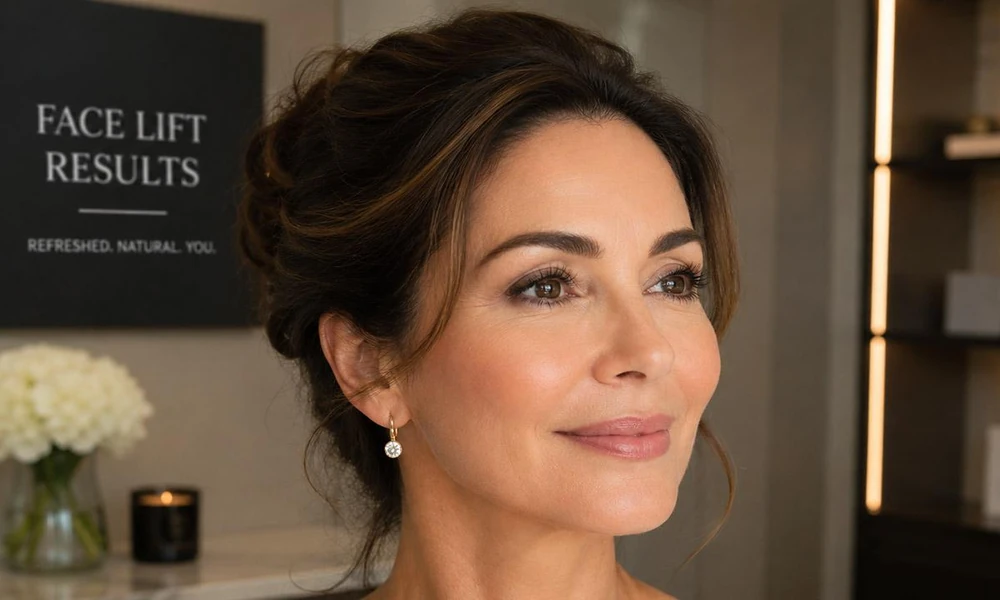
Understanding the Changes That Occur Over Time and How Modern Facial Rejuvenation Can Restore Balance.
Facial aging is a natural part of life, yet it is often misunderstood. Many people assume aging is simply the appearance of wrinkles or loose skin. In reality, facial aging is a complex process involving changes to the skin, fat, muscles, ligaments, and even the underlying bone structure. These changes occur gradually over decades and affect different areas of the face in unique ways.
One reason facial aging can feel frustrating is that it rarely happens evenly. Some individuals first notice lines around the eyes, while others become concerned about sagging along the jawline or volume loss in the cheeks. The forehead may remain relatively smooth while the neck begins to show signs of laxity. For many patients, these changes create a disconnect between how youthful they feel and what they see in the mirror.
According to Dr. Siamak Agha, board-certified plastic surgeon and founder of The One Plastic Surgery, understanding the specific ways aging affects each area of the face is one of the most important steps in creating a successful facial rejuvenation plan.
Rather than viewing aging as a single issue, modern facial rejuvenation focuses on evaluating the face as a complete structure. By identifying how aging has affected each region, treatments can be tailored to restore harmony, balance, and natural-looking results.
Today’s facial rejuvenation procedures are far more sophisticated than those of previous generations. Instead of simply tightening skin, advanced techniques address the underlying anatomical changes that contribute to an aged appearance. This approach allows patients to look refreshed and rejuvenated without appearing overdone or unnatural.
“The goal is not to make someone look different. The goal is to restore youthful balance while preserving the unique features that make them who they are.”
The Forehead and Brow: Often the First Area to Reveal Aging
For many people, the forehead is among the earliest facial regions to display visible signs of aging. Every day, facial expressions such as smiling, raising the eyebrows, concentrating, or frowning create repetitive movements within the forehead muscles. During youth, the skin possesses enough elasticity and collagen to rebound easily after these movements occur.
Over time, however, collagen production slows and skin elasticity gradually declines. As a result, temporary expression lines become permanent creases. Horizontal forehead lines become more visible, while vertical lines between the eyebrows may deepen and create a more serious or fatigued appearance.
The brow itself also changes with age. As supporting tissues weaken, the eyebrows may gradually descend. This process can create heaviness in the upper face and contribute to hooding of the upper eyelids.
Many patients initially assume their eyelids are the source of the problem when, in reality, brow descent may be a major contributing factor. During a comprehensive consultation, Dr. Agha evaluates the relationship between the forehead, brows, and eyelids to determine which anatomical changes are responsible for the patient’s concerns.
The forehead plays an important role in overall facial expression. Even subtle changes in brow position can dramatically influence how others perceive mood, energy, and confidence. A lowered brow may unintentionally create an appearance of stress, fatigue, or frustration despite how a person actually feels.
This is why modern facial rejuvenation focuses not only on reducing wrinkles but also on restoring appropriate support and positioning throughout the upper face.
How Aging Changes the Eyes and Periorbital Region
The eyes are often called the focal point of the face. They communicate emotion, vitality, and personality. Because the skin around the eyes is thinner and more delicate than skin elsewhere on the face, this area frequently shows signs of aging earlier than other regions.
Crow’s feet commonly develop at the outer corners of the eyes due to years of smiling and facial movement. While these lines are often associated with positive expression, they can deepen over time and contribute to an older appearance.
Another significant change involves volume loss around the eyes. As facial fat diminishes and shifts, hollow areas may develop beneath the lower eyelids. These hollows create shadows that can make individuals appear tired even when they are well rested.
Upper eyelids often develop excess skin as tissues lose elasticity. Patients frequently describe feeling as though their eyes look smaller, heavier, or less vibrant than they once did. In some cases, excess upper eyelid skin may even affect peripheral vision.
The lower eyelids can also undergo noticeable changes. Weakening support structures allow fat pads beneath the eyes to become more prominent, creating puffiness or under-eye bags.
Dr. Agha emphasizes that rejuvenating the eye area requires a careful understanding of facial anatomy. The relationship between the eyelids, brows, cheeks, and surrounding tissues must be considered together rather than in isolation.
When the eyes appear refreshed and youthful, the entire face often benefits. However, addressing the eyes alone without evaluating other areas may produce incomplete results. This is one reason why individualized treatment planning remains such an important part of facial rejuvenation.
The Midface: Why Volume Loss Plays a Major Role in Aging
One of the most important discoveries in modern facial rejuvenation is the recognition that aging is not simply a problem of loose skin. Volume loss plays a critical role in how the face changes over time.
In youth, the cheeks provide fullness, projection, and support to surrounding facial structures. This creates smooth contours and contributes to the balanced proportions commonly associated with a youthful appearance.
As aging progresses, the fat pads within the cheeks begin to shrink and descend. The result is a gradual flattening of the midface. The cheeks lose volume, causing the face to appear less lifted and less vibrant.
This loss of support often contributes to the development of nasolabial folds, commonly known as smile lines. While many people focus on the folds themselves, the underlying issue is frequently the loss of volume and support in the cheeks above them.
The temples may also experience volume loss. Patients often overlook temple hollowing, yet it can significantly influence overall facial appearance. Even subtle volume deficiencies in this area can contribute to a more aged look.
In addition to changes in facial fat, the facial skeleton itself evolves with age. Research has shown that certain facial bones gradually lose volume and structural support. These skeletal changes further contribute to tissue descent and loss of youthful contour.
According to Dr. Agha, successful facial rejuvenation requires addressing the deeper structural changes that occur beneath the skin. Simply tightening loose skin without considering volume loss often fails to produce the most natural or long-lasting outcome.
“Facial aging is a three-dimensional process. To create natural-looking rejuvenation, we must understand how skin, fat, muscle, and bone change together.”
Aging of the Lower Face and Jawline
The lower face is one of the most common areas patients discuss during consultation. Changes along the jawline often become increasingly noticeable during the forties, fifties, and beyond.
One of the hallmark signs of facial aging is the formation of jowls. As facial tissues descend due to gravity and weakening support structures, fullness accumulates along the jawline. This disrupts the sharp definition commonly associated with youth.
At the same time, the corners of the mouth may begin to turn downward. Deepening marionette lines can further contribute to an appearance of sadness or fatigue.
Loss of jawline definition is another major concern. Patients frequently describe feeling that their face appears heavier or less sculpted than it once did. These changes can affect both frontal and profile views of the face.
The lower face serves as a critical component of overall facial balance. Even relatively minor changes in this area can significantly influence appearance.
Dr. Agha’s approach focuses on restoring support to the deeper tissues of the face rather than merely pulling the skin tighter. Modern facelift techniques are designed to reposition facial structures in a way that creates natural contours while preserving facial expression.
The objective is not to create an artificial appearance. Instead, the goal is to restore the youthful architecture that has gradually changed over time.
Neck Aging and Its Impact on Facial Harmony
The neck often reveals age-related changes even when other areas of the face remain relatively youthful. Because the face and neck are visually connected, aging in one area inevitably affects how we perceive the other.
As collagen levels decline, the skin of the neck becomes thinner and less elastic. Loose skin may develop beneath the chin and along the front of the neck.
Fat accumulation under the chin can also contribute to a loss of definition between the neck and jawline. Even patients who maintain a healthy weight may experience fullness in this area due to genetics and age-related tissue changes.
Another common concern involves platysmal banding. The platysma muscle runs vertically through the neck and may become more visible as support structures weaken. These vertical bands often contribute to an older appearance.
For many patients, neck aging becomes one of the primary reasons they begin exploring facial rejuvenation options.
At The One Plastic Surgery, Dr. Agha evaluates the neck as part of the overall facial aesthetic. Addressing the face without considering the neck can sometimes create imbalance. Comprehensive rejuvenation often requires evaluating both areas together to achieve the most harmonious result.
Why Every Face Ages Differently
Although everyone ages, no two individuals experience aging in exactly the same way.
Genetics play a significant role in determining skin quality, facial structure, and aging patterns. Family history often provides clues regarding how aging may progress.
Lifestyle factors also influence facial aging. Sun exposure remains one of the leading causes of premature aging, accelerating collagen breakdown and contributing to wrinkles, pigmentation changes, and skin laxity.
Smoking, poor nutrition, chronic stress, inadequate sleep, and significant weight fluctuations can further affect facial appearance over time.
Because aging patterns vary so widely, personalized evaluation remains essential. What works for one patient may not be appropriate for another.
This is why Dr. Agha develops individualized treatment plans based on each patient’s anatomy, goals, and specific concerns. A customized approach allows facial rejuvenation strategies to address the unique factors contributing to each patient’s appearance.
Frequently Asked Questions
What area of the face ages first?
The eyes and forehead often show some of the earliest visible signs of aging because of repetitive facial movement and thinner skin.
Why do cheeks lose volume with age?
Facial fat naturally diminishes and shifts over time. Additionally, subtle changes occur within the facial skeleton, reducing structural support.
Can skincare prevent facial aging?
High-quality skincare can improve skin health and help slow certain aging processes, but it cannot completely prevent volume loss, tissue descent, or structural changes.
Why is a consultation with a board-certified plastic surgeon important?
A board-certified plastic surgeon possesses specialized training in facial anatomy, aging patterns, and surgical techniques. Comprehensive evaluation helps ensure treatment recommendations are safe, effective, and tailored to the patient’s needs.
Discover Your Facial Rejuvenation Options at The One Plastic Surgery
Facial aging is a complex process that affects every individual differently. Understanding how changes occur throughout the forehead, eyes, cheeks, jawline, and neck can help patients make informed decisions about facial rejuvenation.
At The One Plastic Surgery, Dr. Siamak Agha takes a personalized approach to facial rejuvenation, carefully evaluating each patient’s unique anatomy and goals. Through advanced surgical techniques and individualized treatment planning, he helps patients achieve natural-looking results that restore confidence while preserving authenticity.
If you are beginning to notice signs of facial aging and would like to explore your options, schedule a consultation with Dr. Siamak Agha at The One Plastic Surgery to learn how modern facial rejuvenation can help you look as vibrant as you feel.
