There’s a reason you find weekend warriors and die-hard athletes flocking to squash and basketball courts: few activities torch calories, sharpen reflexes, and build camaraderie quite like these high-octane sports. What happens to your body when you hit the court several times a week? Data and real-world stories reveal some powerful answers.
The Physical Fitness Benefits of Squash and Basketball
Cardiovascular Improvements Through High-Intensity Play
Squash and basketball are cardio powerhouses. During a typical match, heart rates soar to 80-90% of maximum, with both sports demanding constant movement, lateral sprints, and explosive jumps. Regular participants report resting heart rates dropping within weeks, a clear sign of improved cardiovascular efficiency. Perhaps most impressive is the afterburn: post-game, your body continues burning calories, speeding up fat loss and overall conditioning.
Muscle Strength and Endurance Gains
Each sport offers a different but complementary workout for your muscles. Basketball hones the lower body, think calves, quads, and glutes, thanks to repeated jumps, quick pivots, and defensive stances. Squash, on the other hand, targets the core, shoulders, and forearms, with relentless rallies and rapid changes in direction. Players who rotate between both sports quickly notice increases in muscle definition and stamina, making daily activities feel easier by comparison.
Flexibility and Agility Enhancement
You’ll be hard-pressed to find a sport that requires more on-the-fly agility than squash or basketball. Rapid lunges, side shuffles, and last-second sprints not only stretch muscle groups but also improve joint mobility over time. This agility carries over into reduced injury risk both on and off the court.
Case Study: Montreal Squash and Basketball Facilities
Overview of Court Availability and Membership Options
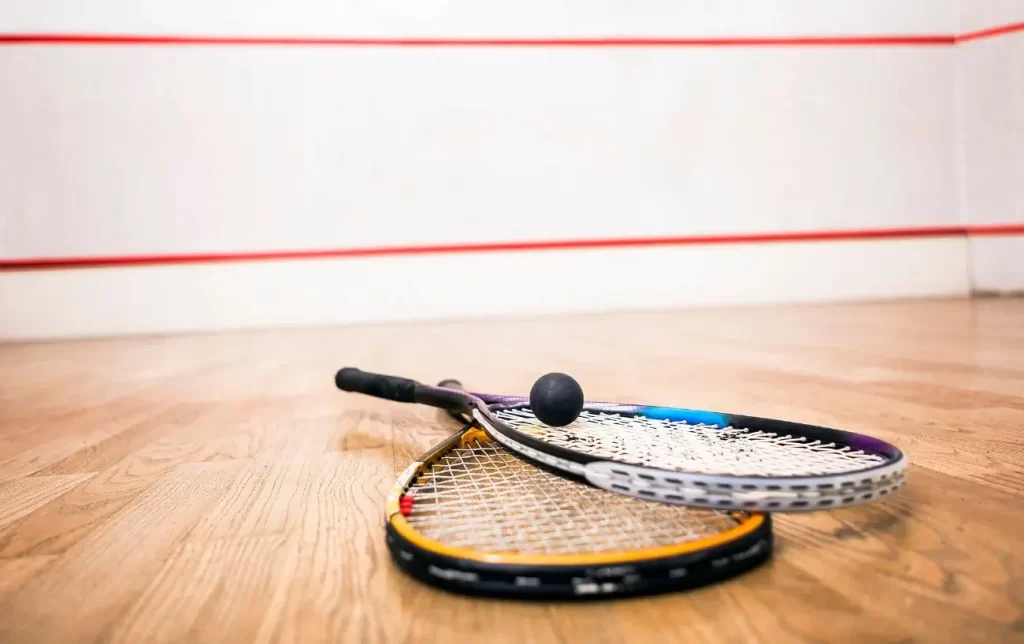
Montreal’s West-End squash club serves as a microcosm for how facility offerings impact fitness habits. Players have access to three squash courts, three indoor basketball courts, and outdoor tennis courts. With a squash membership at $49.97 per month, members can play with friends or meet new partners, making regular participation easily accessible.
How Access Influences Regular Participation
Easy access matters. Unlimited court use bundled into gym memberships turns occasional players into regulars, while affordable drop-in rates lower the barrier for newcomers. Free or discounted court rentals as a membership perk encourage spur-of-the-moment games, turning fitness into a convenient and social routine.
Pricing Impact on Player Engagement
Consider the cost comparison for basketball court rental:
| User Type | Indoor Court (1 player) | Indoor Court (2 players) | Indoor Court (3+ players) | Outdoor Court |
|—————–|————————|————————–|—————————|—————|
| Non-member | $20/hr + tax | $30/hr + tax | – | $10/hr + tax |
| Gym member | $10/hr + tax | $10/hr + tax | $20/hr + tax | Free |
Membership sharply reduces recurring costs, motivating regular play and deeper engagement.
Real-World Fitness Outcomes from Facility Users
Testimonials and Performance Tracking
Members frequently share stories of increased energy, lower body fat, and improved mood after months of regular squash and basketball sessions. Many report surpassing personal bests in fitness assessments taken before and after joining.
Comparing Fitness Levels of Regular and Occasional Players
Data from user assessments show that those who play at least twice weekly outperform occasional players in endurance, vertical jump height, and sprint speed. The consistency factor matters more than raw athletic ability.
Injury Rates and Preventative Measures
Injury rates remain relatively low, especially for those who supplement play with proper warm-ups, stretching, and strength training. Facilities offering fitness and recovery classes see even fewer reported injuries.
Leveraging Group Play for Motivation and Consistency
There’s a psychological edge to group play. Friendly rivalries, doubles matches, and organized tournaments foster accountability and elevate effort. The West-End club’s encouragement to “play with a friend or a new partner” taps into this dynamic, making exercise fun and sustainable.
Integrating Complementary Fitness Programs
Smart players diversify their routines. Aerobic classes bolster stamina for long rallies and full-court presses. Martial arts enhance balance and reflexes, while swimming aids recovery and builds joint resilience. These cross-training elements are often bundled within progressive facilities, further boosting health outcomes.
Data Insights: Analyzing Participation and Health Metrics
Membership data reveals striking patterns: frequent court users average lower BMI, faster recovery times, and higher reported life satisfaction. Clustered user groups show that those who participate in both squash and basketball see compounded benefits, especially if they also join group fitness classes.
Optimizing Your Routine for Maximum Fitness Gains
The most successful players schedule game days around their work and recovery periods, integrate smart nutrition (lean proteins, complex carbs, hydration), and track performance milestones. Setting realistic goals and celebrating small wins keeps motivation high even as challenges mount.
Future Trends: Evolving Roles of Squash and Basketball in Community Fitness
Looking ahead, upgrades like digital court booking, smart wearables for tracking performance, and more inclusive pricing models are making court sports accessible to a wider audience. As community fitness facilities invest in technology and programming, the health dividends for cities like Montreal promise to grow even further.
Squash and basketball are far more than games, they’re powerful engines for lifelong health and human connection. For anyone seeking a vibrant, sustainable path to fitness, the data is clear: grab a racquet, lace up your shoes, and get on the court.