

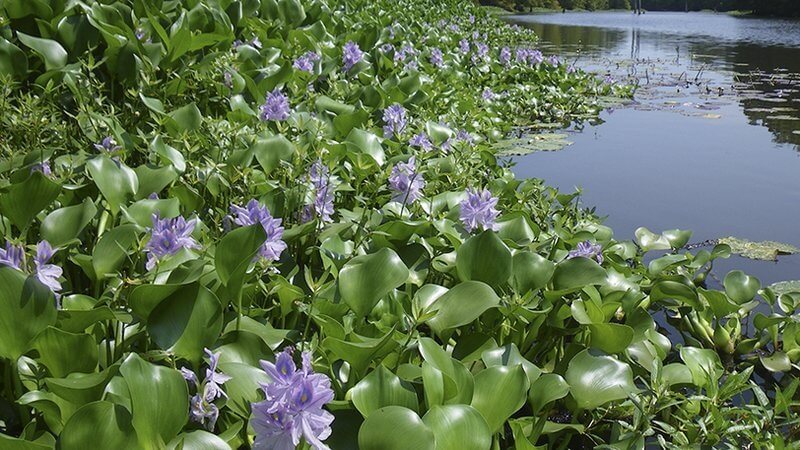
Florida is known for its abundant sunshine and its recreational waters. Its lakes, ponds, bays, wetlands, and saltwater ocean and gulf provide countless opportunities for fishing, swimming, snorkeling, sailing, and relaxing. One of the threats to its freshwater lakes and ponds are invasive plant species. These can be particularly tenacious, and lead to complete eutrophication of a water body if not checked and managed properly. Generally, it a good idea to get competent professional help for aquatic vegetation control Sarasota Fl.
Characteristics of Invasive Aquatic Plants
Florida is home to numerous invasive aquatic species. These plants can destroy recreational opportunities, habitat destruction, deplete fish populations, and wreak havoc on boating navigation. Some of the worst of the aquatic plants are:
- Aquatic soda apple
- Uruguayan water primrose
- Hydrilla
- West Indian marsh grass
- Cuban club rush, and
- Torpedo grass
The main problem characteristics of these plants include:
- Rapid growth to maturity
- Tolerance of a wide variety of conditions
- Powerful ability to degrade an entire aquatic ecosystem
- Sometimes difficult to manage and keep under control
- Multiple reproductive methods
How To Control Invasive Plants
The management of invasives may require a multi-faceted approach. Some of the sciences that bear on the effective control of these plants include biology, limnology, hydrology, and chemistry. In some cases, the acceleration of invading plant species may be caused by human activity or be related to climate change.
The best way to control invasive aquatic plants is to seek out competent professional help. You’ll want to hire a firm that has had plenty of Florida experience with addressing invasive species. They will evaluate your lake’s or pond’s situation and present to you options for abatement. In most cases, a number of solutions, including green, natural methods, will be suggested. Then, you and the business can hone in on the best solution for managing the problem.
